Self-understanding
What is Openness (O) in the Big Five? high and low scores explained
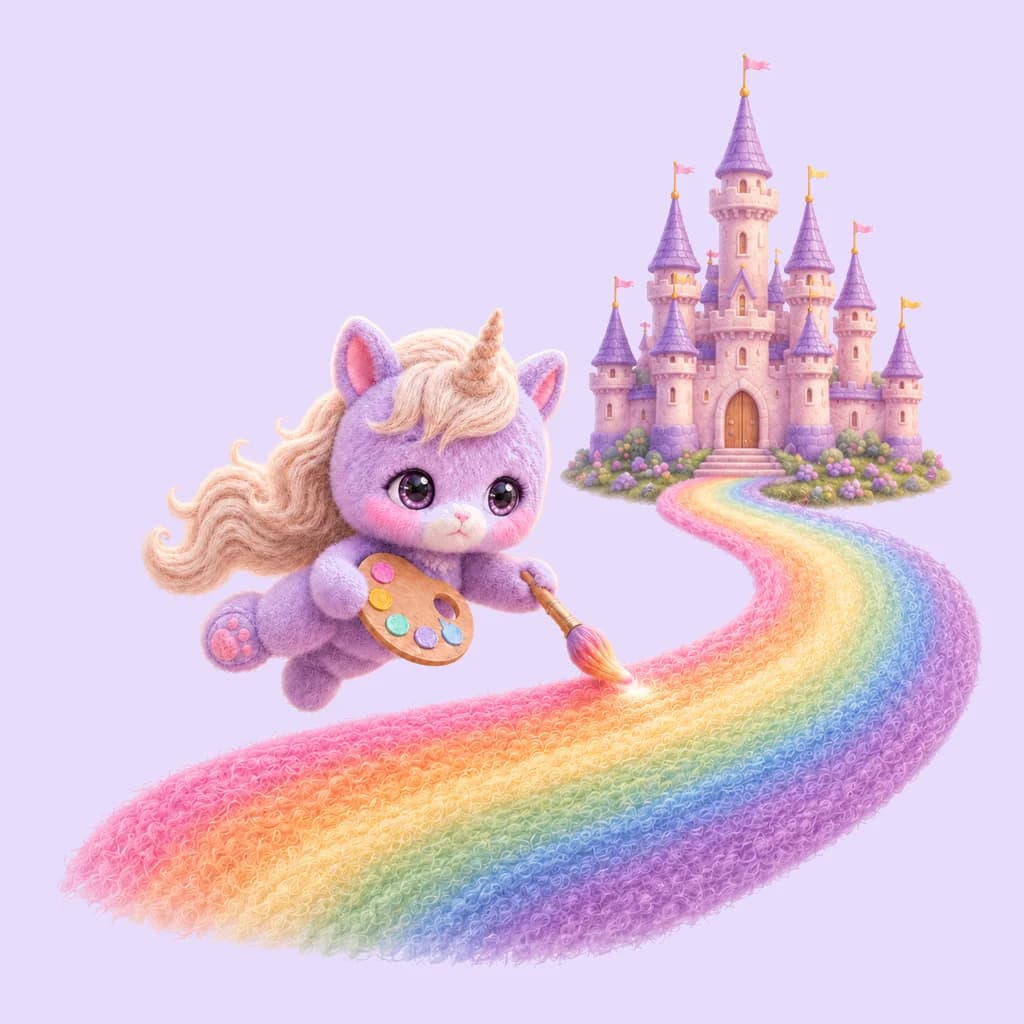
Openness is one of the five dimensions in the Big Five, or OCEAN, model. It describes a tendency, not a fixed identity or a measure of personal worth.
A higher or lower score can each be useful in different settings. Understanding the trade-offs makes the score practical rather than judgmental.
Common traits of people higher in openness
Higher openness often appears as curiosity, imagination, and an appetite for unfamiliar perspectives.
Curiosity
You enjoy exploring ideas before knowing whether they will be useful.
Imagination
Metaphor, possibility, and alternative futures come naturally.
Comfort with change
Variety can feel energizing rather than disruptive.
Common traits of people lower in openness
Lower openness often appears as realism, continuity, and respect for methods that have already proved their value.
Practical judgment
You prefer ideas that can survive contact with everyday life.
Consistency
Familiar routines free attention for careful execution.
Depth through repetition
You can refine a reliable craft instead of constantly chasing novelty.
A common misunderstanding
Lower openness does not mean a lack of intelligence or creativity. Creativity can be practical, technical, or expressed through refinement.
Higher openness is not automatically better either; too much novelty can make commitment and completion harder.
Measure your openness
Notice whether you feel most alive while discovering a new possibility or improving something established. Your score helps name that preference without limiting what you can learn.